Scroll Instagram for a minute. You will trip over a launch teaser, somebody is first unboxing, a capsule that “sold out” in an hour. Starting a label looks easy now. That is the trap. Cheap to begin, brutal to sustain, and most contemporary brands quietly vanish somewhere around collection two.
Knowing how to start a clothing brand that earns money is a different skill than launching one. This clothing brand startup guide covers the steps that matter, idea to scale, and it sits on top of an honest read of the clothing brand startup cost so your budget reflects reality instead of hope. If you are aiming for a private label clothing line that pays for itself, this is where to start.
Step 1: Find a Niche People Actually Pay For
Broad brands die quiet. The survivors own a corner. Streetwear. Performance gym wear. Sustainable basics. Faith apparel. Plus-size athleisure. Pick a lane where people already open their wallets and feel ignored by what is out there.
Then evaluate it before you spend a dime. Run a tiny pre-order. Drop the concept and count the saves, not the likes. Call twenty people in your target group and listen to them. Demand you can measure beats demand you imagine. Every time.
Step 2: Build an Identity Worth Remembering
A name, a mark, a story. None of that is decoration. It is the reason a stranger pays $42 for a tee that cost you eight dollars to make. Work out what you stand for and for whom you are. Your selling proposition must fit in one sentence someone could repeat at a party. Nail that, and a scrappy fashion startup guide reader can go toe to toe with brands outspending them ten to one.
Step 3: Design the Right Products First
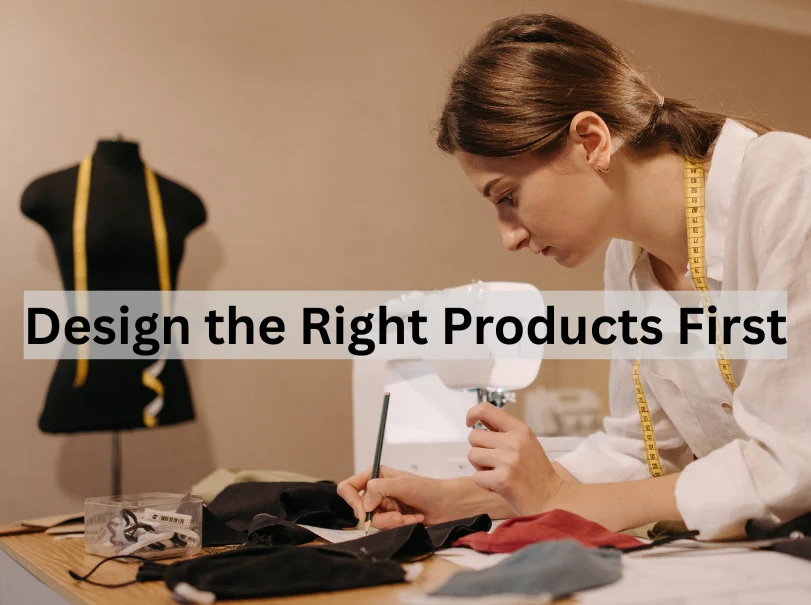
Here is the urge to fight launching fifteen styles at once. Do not. Pick three, four, and get them perfect. Tees and hoodies anchor most launches for a reason. Steady demand, production everybody understands, fewer nasty surprises. Keep the first designs simple. Lean timeless on your core, then bolt trend pieces on later, once you have cash you can afford to lose.
Step 4: Understand How Clothing Gets Made
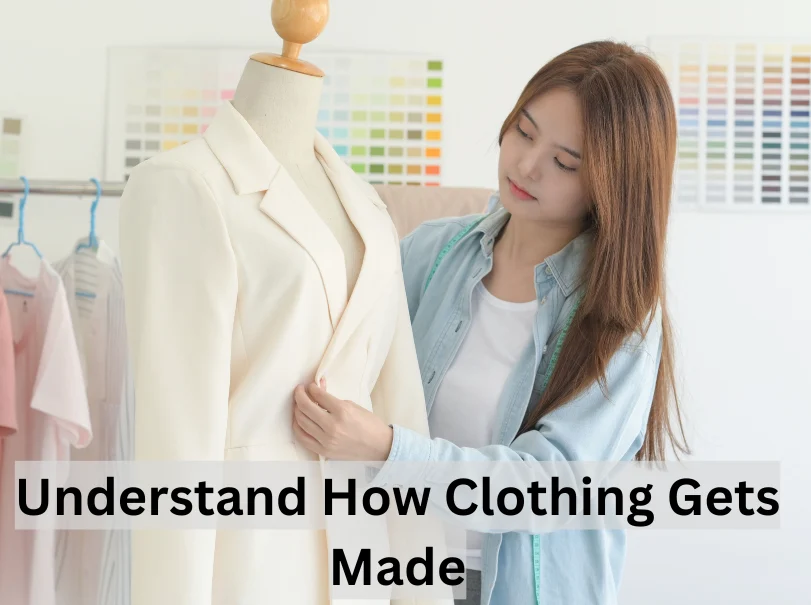
This is where founders get lost. Custom manufacturing means your design, your spec, your fabric, built from scratch. Blanks mean buying existing garments and decorating them. Custom costs earlier. On the other side of that cost is a real brand with real margins.
Either way, choosing a clothing manufacturer is the call that shapes everything downstream. Quality. Lead times. Whether your reviews glow or burn. Fabric weight and stitch consistency are not fine print; they are the product. And get this part right too: professional tech pack services turn your sketches into something a factory can build without guessing, which kills errors long before they cost you a sample.
Step 5: Start Small with Low MOQ Production
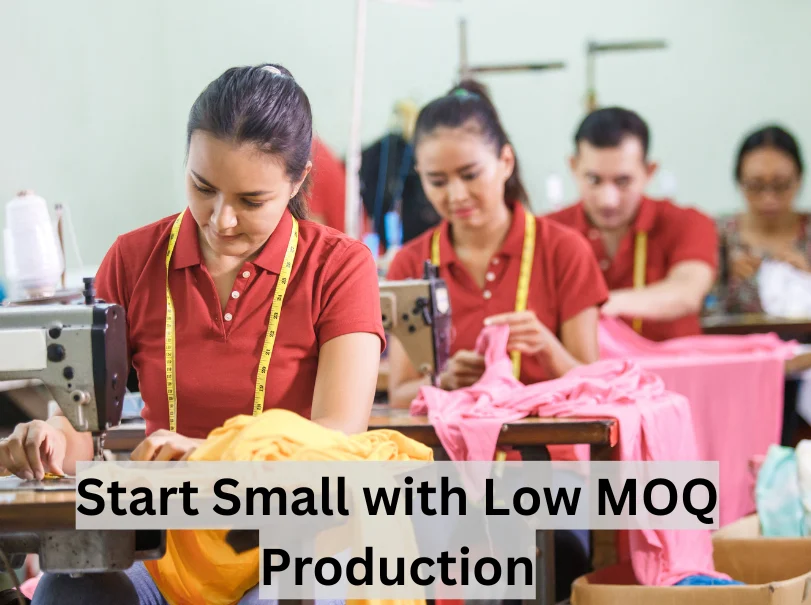
Five hundred units of an unproven design? That is how people end up with a closet they cannot empty. Sorting out minimum order quantities early keeps your cash where it belongs. Small runs let you evaluate fit, colour, and whether anyone wants the thing, then reorder whatever moves. Stock you cannot sell is not inventory. It is money you set on fire and stacked on a shelf.
Step 6: Sample Before You Commit
Never green light a bulk run off a screen mock-up. Get samples. Hold them, wash them, wear them around for a week. Check the fit on real people, not a spec sheet. Plan for two or three rounds before a piece is genuinely right. Each round is cheap insurance. A flaw you catch in a sample cost a few dollars. That same flaw in a 500-piece order? There goes the whole launch.
Step 7: Price for Profit, Not for Applause
Under-pricing kills more first-timers than anything else. So, add it all up. Fabric or blank, decoration, labels, packaging, freight in, your hours. That is your landed cost. Keystone doubles it as a floor. Most apparel brands sit somewhere between three times and five times markup once ads, returns, and the discounts you will inevitably run get factored in.
| Cost Layer | Rough Share of Retail | Why It Matters |
|---|---|---|
| Production (fabric, make, trims) | 20 to 30 percent | Your actual cost to create the piece |
| Marketing and acquisition | 20 to 30 percent | The cost of finding each buyer |
| Returns, discounts, shrinkage | 10 to 15 percent | The margin most founders forget |
| Operating profit | 20 to 30 percent | What you pocket |
If those numbers do not leave room for that bottom line, you do not have a profitable clothing brand. You have a hobby. A fun one. Still a hobby.
Step 8: Build a Store That Converts
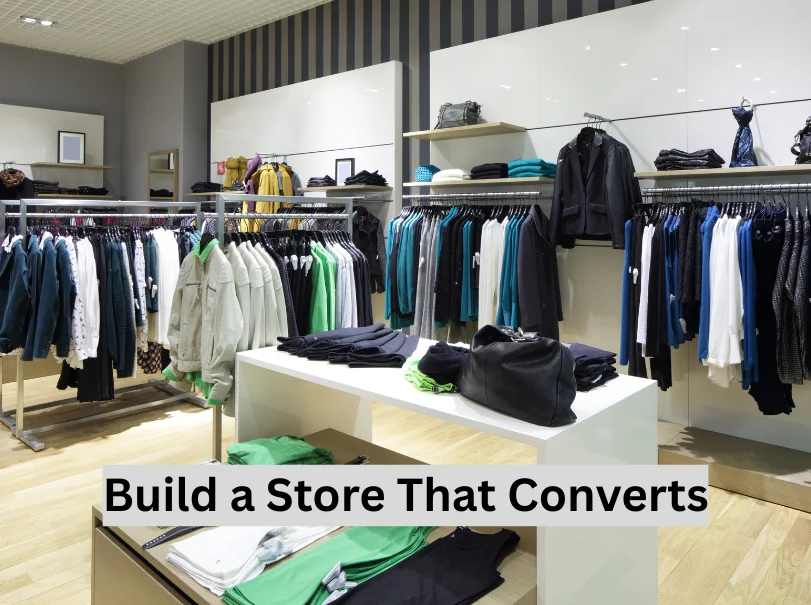
Shopify, usually. Fast to stand up, simple to run. Grab a clean theme, write product pages that sell the benefit instead of reciting specs, and throw money at photography before anything else. Ugly photos tank conversion quicker than a bad price ever could. You do not need a studio. You need clean, consistent, well-lit shots that make the garment look like it belongs on a rack.
Step 9: Market Before, During, and After Launch
A killer product nobody sees makes zero dollars. Build the audience while you are still developing, not after. Short-form video on TikTok and Reels is still the cheapest reach going. Layer in creator seeding and a small paid budget once you know what converts. And marketing never really stops. It grows with revenue; it does not clock out on launch day.
Step 10: Scale What’s Already Working
Scaling is not more of everything. It is more of what already works. Pour profit back into your best sellers. Widen the line slowly. Push production volume up as demand proves itself, not a second before. This is also the moment a sharp fashion startup guide founder stops chasing one-off sales and starts building the repeat buyers and community that compound over time.
Common Mistakes That Sink New Brands
- Buying way too much inventory before demand is real.
- Shaving pennies off quality, then paying for it in returns
- Branding so forgettable it disappears in the feed.
- No marketing plan beyond “maybe it goes viral.”
- Tying yourself to a factory that will not pick up the phone.
All of it is avoidable. Honestly, half of choosing a clothing manufacturer well is just finding one that communicates. Most of the rest takes patience nobody wants to have.
How the Right Partner Accelerates Growth
Cord Apparel collaborates with first-time founders every week, so the whole setup is shaped around what a startup needs. Flexible minimum order quantities mean you launch lean and reorder the winners. Firsthand development and sampling get that first run fitting bodies that exist outside a spec chart. And because design, decoration, tech pack services, labelling, and bulk production all live under one roof, you skip the vendor juggling that quietly eats your time and your budget. A good partner does not just sew your clothes. It clears the friction that strands most brands somewhere between the idea and the first real sale.
Final Word
A profitable brand is not built on one viral video. It is built on a stack of unglamorous decisions made in the right order. Validate first. Build a clothing brand people remember. Start small. Bake margin in from day one. A plain clothing business plan that respects the actual clothing brand startup cost beats publicise every single time, and it is a lot cheaper too.
The founders who make it rarely have the fattest bank account. They have the clearest head and the patience to build a clothing brand one proven move at a time. So, sort your numbers. Write the clothing business plan. Pick your partner carefully. Let the right private label clothing setup carry the heavy stuff while you go sell. That is how to start a clothing brand that is still around next year, and the whole reason this clothing brand startup guide exists.
Leave a Reply