We are more likely to start a clothing brand than ever before. You cannot browse for 10 seconds without stumbling across someone talking about a release, opening the first box, or promoting a capsule. Creating a clothing brand really is easy. Create a Shopify store, find a supplier, and you have the chance to make a few designs. The catch? What seems inexpensive can be anything but with samples, packaging, and marketing.
So, what does it cost to start one? There is no single number, but there are predictable buckets every founder runs into. Whether you are evaluating the waters with a tiny drop or jumping straight into a private label clothing lineup, knowing where the money goes helps you plan better and panic less.
Is Starting a Clothing Brand Actually Expensive?
Well, it depends on how you go about it. With print-on-demand, you can get started for almost nothing, but there is not much margin on a print, and quality can be low. Manufacturing is costly up-front, but it lets you make something real, with good margins. Some providers start for less than $10,000, some do not make their first sale until $30,000 clear. Both can work. It is all about the plan and setting a budget accordingly.
Business Setup Costs
The no-longer-dry stuff. Corporation/sole proprietor registration, business permit, business account, and cheap bookkeeping software. Some businesses will register trademarks, but it is not necessary. These are one-time or annual fees and are not critical to success.
Product Development Costs
Here is where the money is. You need your designs to be translated into tech packs, which detail all the seams, stitches, and measurements to be used by the manufacturer. If you cannot draw, you will employ a designer. Proper pattern making runs from modest to pricey, depending on complexity. Then comes sampling, usually two or three rounds, before anything fits right. Skip this stage, and you will pay for it later in returns, refunds, and bad reviews.
Manufacturing Costs
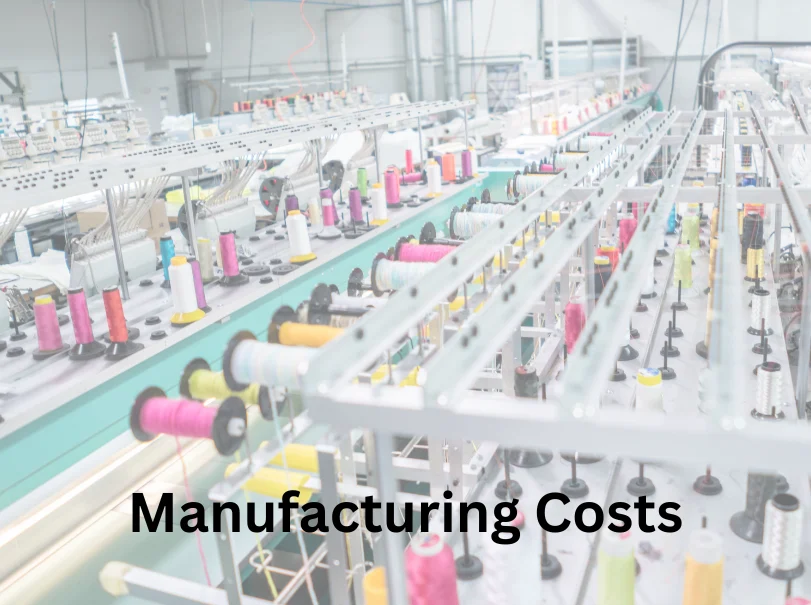
Manufacturing is usually the biggest single line item. Cost per unit depends on the product, the fabric, and the customization. A plain cotton tee is cheap to make. A fleece hoodie with custom embroidery stitched in is a completely different conversation. Fabric pricing swings hard, too. Basic jersey is affordable, while denim fabric runs higher because of sourcing, weight, and finishing. Add labour, trims, labels, and packaging per unit, and the picture gets clearer fast.
The more you order, the lower your cost per piece. But ordering too much too soon is its own problem.
Minimum Order Quantities
This is where a lot of founders quietly get stuck. Some factories demand five hundred units per style, which sounds fine until you realize that it is four sizes across two colours, and now you are sitting on a pile of unsold inventory. Understanding MOQ in apparel manufacturing early in the planning stage saves a ton of stress. Low-MOQ partners let you evaluate styles with small runs, prove demand, and reorder what sells.
Branding and Packaging Costs
Your product needs to feel like a brand, not a thrift-store find. A proper logo, a clean hang tag, and a care label that does not peel off after one wash. Packaging is the same story. A branded mailer, some tissue paper, a thank-you card. None of it must be expensive, but it must feel intentional. Cheap packaging quietly kills the unboxing moment, and in 2026, the unboxing moment is free advertising.
Website and E-commerce Setup
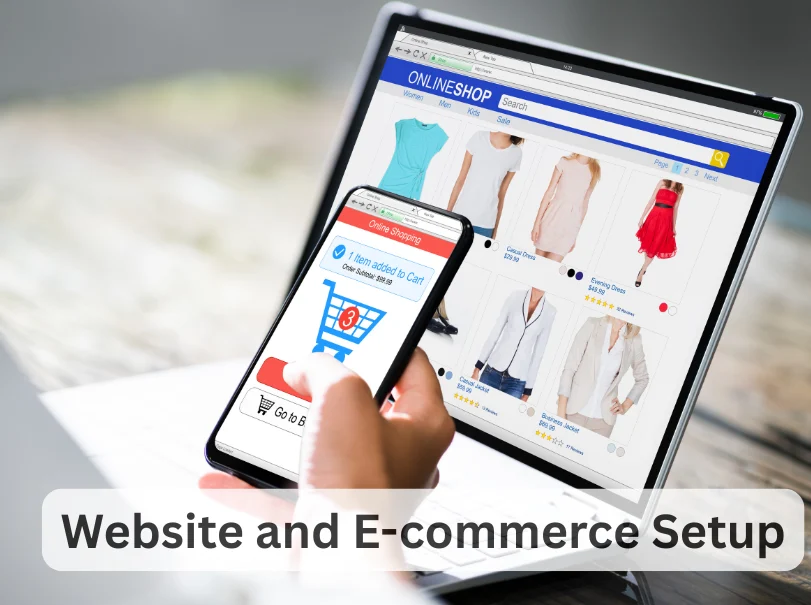
Shopify is the usual starting point and runs a small monthly fee depending on the plan. Add a domain, a decent theme, a couple of apps for email and upsells, a minor design tweak. Product photography is the one thing people cut corners on that they really should not. Bad photos tank conversion faster than anything else. You do not need a huge studio shoot, but you do need clean, consistent images that make your product look like it belongs on a rack.
Marketing and Launch Costs
Here is the budget that new founders always underestimate. You can have the slickest site and the best product on earth, but if nobody knows you exist, nothing sells. Social content, creator partnerships, a bit of paid spend on TikTok or Meta, maybe some influencer seeding or PR boxes. Marketing is not a one-time cost either. It is an ongoing line that scales right alongside the business.
Shipping and Logistics
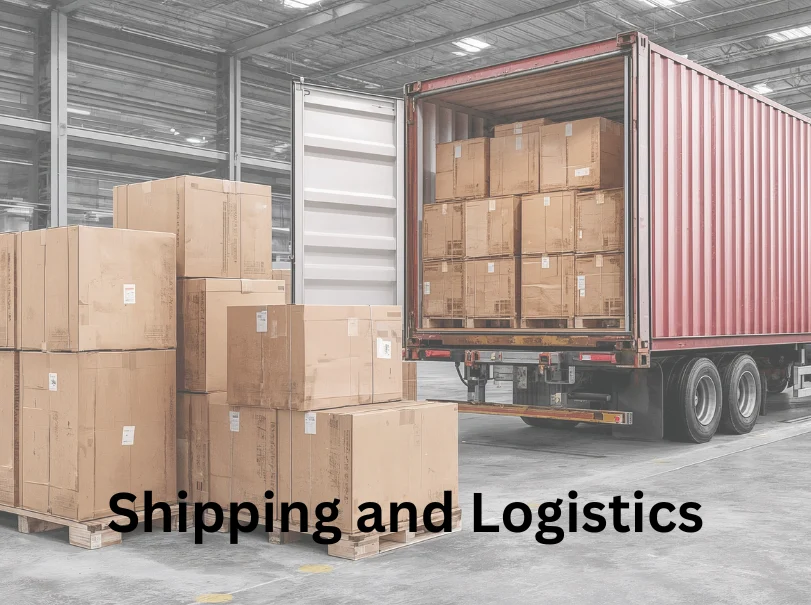
Fulfilment is a loss leader: boxes, stamps, free return labels, spare units for laggard (broken) packages. Cross-border trade poses customs woes and increased costs. Early on, decide on whether you will manage shipping or use a 3PL. It is cheap at low volumes, but hell, if you get a runaway success.
What Will It All Cost?
Brackets, not figures, as each launch is unique. A dirt-cheap print-on-demand or low-volume start-up will be drastically cheaper, particularly if you own a camera and do the work yourself. A middle-of-the-road small business with private manufacturing, some MOQ (minimum order quantity), and a serious promotion campaign can range from the upper $10,000’s to the top end. A deluxe experience with full branding, bulk production, studio photography, adverts, and whatever else strikes your fancy will quickly blow past the mid-five-figure mark way before you make any sales.
| Cost Category | Budget (Print-on-Demand) | Mid-Range (Private Label) | Premium (Full Launch) |
|---|---|---|---|
| Business Setup | Minimal (registration, permits) | Minimal | Minimal + trademark |
| Product Development | None — uses existing blanks | Tech packs, pattern making, 2–3 sample rounds | Full design + multiple sample rounds |
| Manufacturing | Per-order, low margin | Bulk runs with low MOQ partners | Bulk production, premium fabrics (e.g. denim, embroidery) |
| MOQ Risk | None | Moderate (test small, reorder winners) | High (500+ units per style) |
| Branding & Packaging | Basic or none | Logo, hang tags, branded mailers | Full branded unboxing experience |
| Website (Shopify) | Basic theme, DIY photos | Shopify + apps + decent photography | Custom design + studio photoshoot |
| Marketing | Organic social only | Paid ads + creator seeding | Influencer campaigns, PR boxes, heavy ad spend |
| Shipping/Logistics | Managed by POD supplier | Self-fulfilled or light 3PL | 3PL with returns handling |
| Total Estimate | Under $10,000 (can be near-zero) | Upper $10,000s | Mid-five-figures+ before first sale |
Cost-Saving Tips That Actually Work
Be focused on what you sell. Three or four, not fifteen. Find partners that will collaborate with you on MOQ in apparel manufacturing, so you do not have to make massive runs without knowing. Do not try to serve everyone; narrow down your audience focus. Sample, sample, sample first ever. Only bulk when you sell out.
Where Cord Apparel Fits In
Cord Apparel works with startup founders every single week. We offer flexible MOQs, help with pattern making and sampling so your first run fits real bodies, and guide you through fabric decisions, whether you need basic cotton or premium denim fabric. Need custom embroidery services, branded labels, or a full private label clothing program? It is all under one roof. Less vendor chaos, fewer surprise costs, and more time for you to focus on selling.
Final Word
Starting a clothing brand is not as cheap as social media makes it look, but it is also not out of reach. Manufacturing, marketing, and branding will chew through most of your budget. Plan for all three and leave some buffer because something always costs more than you estimated. Start lean, stay focused, and reinvest what sells. The founders who make it are rarely the ones with the biggest bank account. They are the ones who treat every dollar like it has a job to do.
Leave a Reply