Starting a clothing label seems so easy on the surface. There’s sold-out drops, streetwear startups showing off how they are on their sixth-figure income and athleisure brands exploding in their first season. This is the glossy reel. The reality? A lot messier. The fact is that latest brands do not go past their second collection, and it is usually not for want of fashion acumen. Because, more likely than not, six months in, they have fallen foul of a handful of common pitfalls.
The opportunities for independents are wider open than ever. Web technologies are accessible; production is affordable and there are markets to supply. But opportunity favours a good plan.
Good news is, you can dodge most of these pitfalls with a bit of homework, even in something challenging as denim fabric. Here are ten traps to watch for before you place that first bulk order.
1. Not Defining a Clear Brand Identity
Nobody is waiting for another plain logo tee. People buy into a vibe, a story, a reason to pick your stuff over Nike, Uniqlo, or the other twenty brands in their feed. If you cannot explain what your label stands for in one sentence, neither can your customer. Pick your niche, nail your voice, and keep visuals consistent across your site, socials, and packaging.
2. Skipping Market Research
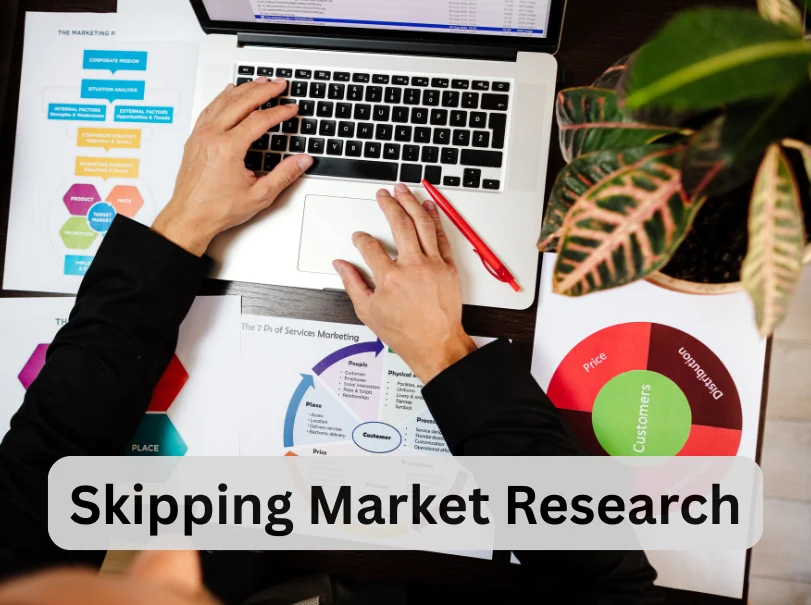
Gut feeling is not a strategy. Before you spend a dime on samples, scroll Reddit threads, check review sections, and see what your competitors do well and where they drop the ball. Real demand hides in the comments of other people’s posts.
3. Choosing the Wrong Manufacturer

This is where plenty of dreams quietly die. A suspiciously cheap quote, slow replies, blurry sample photos, vague timelines. These are red flags, not bargains. Ask for references, look at past work, and have actual conversations before signing. A partner who understands cut and sew manufacturing will walk you through fabric, fit, and finishing instead of just printing on whatever blanks are lying around.
4. Prioritizing Low Cost Over Quality
Every founder wants better margins. Fair. But rock-bottom production always shows up in the final garment. Pulled stitches, weird shrinkage, colours that fade after two washes. Customers talk about defective product way faster than they mention the good stuff. Find the middle ground. Quality pays you back in repeat orders.
5. Poor Fabric Selection
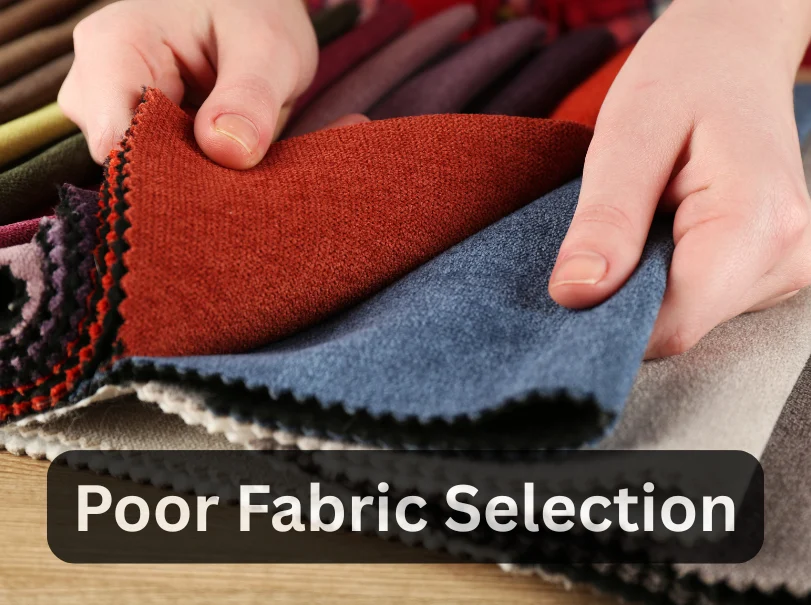
Fabric is the thing your customer touches. Picking it purely on price is a newcomer move. Think about weight, stretch, how it drapes, and how it survives a few washes. If you are stuck between cotton twill, fleece, or denim for your first drop, order swatches, wear them for a week, and put them through a wash cycle or two.
6. Skipping Sampling and Prototyping

Jumping straight to bulk because you trust the tech pack is a wonderful way to end up with five hundred hoodies that fit like pillowcases. Sleeves too short, necks too tight, hems curling after the first wash. Proper pattern making and two or three sample rounds catch those issues while they are still cheap to fix.
7. Ignoring Minimum Order Quantities
New founders either order way more than they can sell or pick suppliers whose minimums double their budget. Either way, cash gets stuck. Starting small and reordering as you sell through is the smarter play. If you are still fuzzy on how MOQ in apparel manufacturing really works, give it an hour of reading before you commit to anything.
8. Weak Branding and Presentation

Good clothes in cheap packaging feel cheap. A rushed logo, a boring hang tag, a plastic mailer with zero personality. You just missed a free marketing moment. Tags, labels, inserts, the way it folds out of the box. Those minute details are exactly what people post about.
9. No Marketing Strategy
Building the site and hoping traffic shows up is how inventory becomes dead stock. Build buzz before launch day. Waitlists, behind-the-scenes posts, small creators in your niche, a bit of basic SEO. Show the making, not just the finished product. People want to feel early, like they found something before anyone else. One viral video is not a business plan, and neither is a paid ad campaign with no audience warmed up.
10. No Long-Term Production Plan

Switching factories every season quietly wrecks your fit. Your repeat customers feel it, even if they cannot explain what changed. Stick with you under who can hold your patterns, scale alongside you, and re-run your bestsellers without guesswork. Whether you run a tiny capsule or scale into a private label clothing program, consistency is what earns trust.
How to Actually Launch Without Crashing
Start with clarity. Know who you are selling to, know your niche, and resist trying to please everyone at once. Invest in quality where your customer can feel it, from the fabric against their skin to the stitch on the hem. Keep first runs small so you can learn fast and pivot without losing sleep. Get your MOQ in apparel manufacturing plan right early and cash flow stays breathable. Choosing the right partner wins you half the battle. Clean pattern making, proper sampling, and steady communication are the difference between a brand that reorders and one that disappears after one drop.
Where Cord Apparel Fits In
Cord Apparel collaborates with first-time founders and scaling labels every week. We help you pick the right denim fabric or jersey without guesswork, sort out sampling, and offer flexible MOQs that make sense for small batches. Whether you want a lean capsule or a full private label clothing program, the process stays clear. Our team manages the heavy lifting on cut and sew manufacturing so you can focus on design, storytelling, and selling the thing.
Quick Pre-Launch Checklist
Here is what to check before placing a bulk order:
- Branding clear in a single sentence
- Niche and target customer identified.
- Competitors researched (price, gaps, reviews)
- Factory checked out with references and samples provided.
- Tech pack finalised for each style
- Fabric swatches purchased, worn, and washed.
- 2-3 samples made and approved.
- MOQ confirmed and aligned to your cash flow.
- Fit tested on bodies, not dress forms.
- Packaging, tagging and inserts match branding.
- Marketing plan underway (waitlist, content, creators)
- Ongoing partner for reorders secured.
- Inspection plan (self-QC or third-party AQL)
- Other costs calculated (test, shipping, import, trims)
Final Thought
A clothing brand is not built on cool designs alone. It is planning, patience, and picking partners who do not cut corners when nobody is watching. Dodging these ten mistakes saves you months of stress and a decent chunk of money. Start lean, stay consistent, and let the product do the loud part.

Leave a Reply