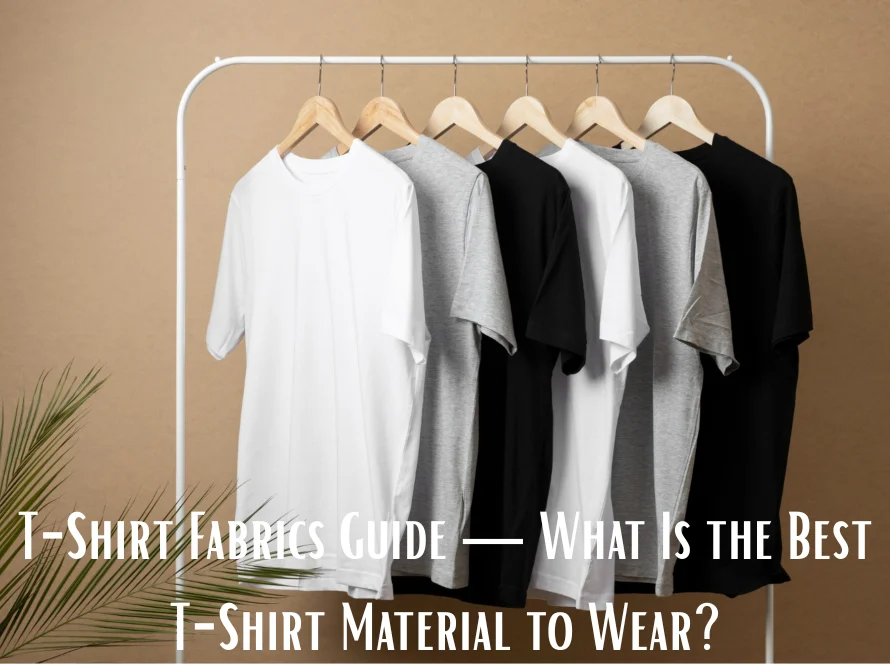
The most important reason to choose the best T-shirt material is one that will not go away anytime soon. T-shirts are now more than basic pieces in your wardrobe. They embody comfort, lifestyle, and brand identity. The fabric choice for fashion startups, DTC brands, and private-label sellers in the USA can directly impact customer satisfaction, product reviews, and brand loyalty.
And according to a recent industry report by Statista, the U.S. apparel market is slated to generate more than $360 billion in revenue by 2024 (with casual wear and T-shirts representing key segments of the average clothing purchase).
If you want to know about the different types of T-shirt fabric, weigh their pros and cons, and pick the best material for T-shirts, considering comfort, durability, printing properties, and environmental friendliness, then this T-shirt fabric guide is just for you! Selecting the right fabric is a crucial part of creating an upward stream and a reputable brand. We will also see how Cord Apparel is your go-to manufacturer for T-shirts.
The Importance of T-Shirt Fabric (More Than You Might Think)
The names of the fabrics are lost to clients, but they can tell the difference immediately. It all comes down to fabric, as the choice affects the entire experience of putting it on.
Comfort and how well it fits
The cool, plush texture of the T-shirt makes it feel good to wear it and as if you could wear it all day. For example, if a tee is scratchy or stiff, individuals aren’t as likely to wear it on a regular basis.
Breathability and Weather Suitability
In the United States, breathable t-shirt fabric is essential for hotter climates. Heat-retaining fabrics could quickly become stifling to wear daily.
It softens and washes well, and how long it lasts
Folks want T-shirts that hold their shape and color after being washed many times. Having a shirt that is ruined or discolored after the first wash does not look good for your branding.
Compatibility with Printing and Embroidery
The fabric affects the quality of the patterns and how durable the prints are. Some materials are more suited for the screen-printing process, some for DTG, and some for embroidery.
Price and Brand Positioning
The material you choose has implications for the production cost, the selling price, and what people think it is worth. Basic materials allow brands to do volume, while premium fabrics command higher prices.
How to Pick the Proper Fabric for T-Shirts
A T-shirt is worn as often as any other article of dress. People wear them daily, to work, to events, to drive things, and to create a brand. As such, the fabric quality has a direct impact on how consumers perceive a brand.
- Comfort Keeps Customers Coming Back
- Breathability Affects Daily Use
- Durability Keeps Your Brand Safe
- Print Quality of Shape LaPorte is Good
- Cost Affects Scalability
Common T-Shirt Fabric Types Explained
Knowing T-shirt fabric types guides your choice of material for comfort, durability, and branding.
100% Cotton
Feel and Comfort
Cotton is a popular choice for soft t-shirt material. It resembles, well, flows, and feels comfortable if worn daily.
Breathability
Cotton does allow air circulation, which makes it a sturdy, breathable t-shirt fabric for casual wear.
Print Friendliness
In terms of printing, cotton is extremely efficient for screen printing and DTG printing. Colors appear vibrant and long-lasting.
Best Use Cases
- Everyday casual T-shirts
- Promotional and retail tees
- Brands focused on comfort
Organic Cotton
Sustainability Benefits
Organic cotton is grown without harsh chemicals. It requires less water and encourages environmentally conscious farming.
Cost Considerations
It is, however, more expensive than regular cotton, but for environmentally conscious clients, it adds value, contributing to the ecology.
Ideal for Eco-Focused Brands
This is a preferred sustainable t-shirt fabric for brands where ethical production and transparency are important.
Polyester
Moisture-Wicking Properties
Polyester and other synthetic fibers draw moisture away from the body, helping keep wearers dry.
Durability and Shape Retention
Polyester is less susceptible to shrinking and wrinkles than cotton.
Best for Activewear
This is perfect fabric for sports, fitness, or performance T-shirts.
Cotton-Polyester Blends
Balanced Comfort and Durability
Blends give you the softness of cotton and the strength of polyester.
Reduced Shrinkage
These blends hold their shape better than 100% cotton.
Popular for Custom Branding
The blend is one of the most utilized kinds when it comes to custom t-shirt fabric, and many brands agree that this is because it is versatile and cost-effective.
Tri-Blend Fabric
Fabric Composition
A tri-blend is a mix of cotton, polyester, and rayon.
Soft Hand Feel and Drape
This fabric has a nice, worn-in feeling and great drape.
Premium Look and Feel
These are typically used when you are going for a fashion-forward feel or a lifestyle brand.
Rayon / Modal / Viscose
Lightweight and Smooth Texture
These fibers have a silky texture, weightless on the skin.
Breathability
Also, they provide good airflow and temperature regulation.
Ideal for Fashion-Forward Tees
Ideal for brands that are all about style, fit, and quality appeal.
Comparison Table: T-Shirt Fabric Types
| Fabric Type | Softness | Breathability | Durability | Print Quality | Cost Range | Best Use Case |
|---|---|---|---|---|---|---|
| 100% Cotton | High | High | Medium | Excellent | Low–Medium | Everyday wear |
| Organic Cotton | High | High | Medium | Excellent | Medium–High | Sustainable brands |
| Polyester | Medium | Medium | High | Good | Low | Activewear |
| Cotton-Poly Blend | High | Medium | High | Very Good | Medium | Custom branding |
| Tri-Blend | Very High | Medium | Medium | Good | High | Premium collections |
| Rayon / Modal | Very High | High | Medium | Good | High | Fashion tees |
Also check: Jeans and Denim: A Comprehensive Guide
The Best Fabric T-Shirt for Various Purposes
There doesn’t exist a best fabric for t-shirts that suit every case. Which decision is best hinges on how the shirt will be worn.
Everyday Casual Wear
100% cotton or cotton-poly blends are soft and durable for everyday use.
Custom-Branded T-Shirts
Since they print well and hold up for a long time, blends are the best fabric for custom t-shirts.
Streetwear and high-end collections
Modal and Tri blend fabrics lend garments an expensive appearance and a luxe drape.
Sportswear and activewear
Polyester: Well … Polyester is amazing at managing moisture and performance.
Sustainable Clothing Lines
Organic cotton and recycled polyester are among the best eco-friendly fabrics for t-shirts.
Which Fabric Is the Best for Custom T-Shirt Printing
When choosing fabric, printing is of main concern.
Screen Printing Compatibility
Cotton and cotton-poly blends absorb ink nicely and make sharp graphics.
DTG Printing Performance
DTG is best used with smooth polyester and cotton-rich fabrics.
Embroidery Considerations
Use heavier-weight fabrics; thicker is better for stability and stitch clarity.
Print Longevity
The quality of the fabric influences how professionally prints hold up in washing and daily wear.
Sustainable T-Shirt Fabric Options
Today, brands are putting sustainability high on the agenda.
Organic Cotton
A sustainable and responsible choice for eco-friendly collections.
Recycled Polyester
From plastics recycled from homes and commercial stacks
Modal and Plant-Based Fibers
Sustainable, low-impact, and derived from renewable resources
By incentivizing brands to adopt sustainable t-shirt fabric, they gain a competitive edge in the USA among conscious consumers.
Choosing the Correct T-Shirt Material for Your Brand
How to choose the best fabric for t-shirts (t-shirt fabric type)?
Know Your Target Audience
Those buying for comfort prefer cotton, and those buying for performance prefer polyester.
Define Price Positioning
High-end fabrics allow for higher price points.
Consider Climate and Region
Breathable materials work better in warm climates.
Aligning with Brand Values
The choice of material must be informed by sustainability, comfort, or performance.
MOQ and Sourcing
Launch timelines can be subject to changes based on fabric availability and minimum order quantities.
At Cord Apparel, for example, private label brands, like Cord Apparel, are often shepherded through these decisions to better align fabric choices with long-term growth and customer expectations.
Why Argus Apparel for Your T-shirt Manufacturing?
Fabric selection is as technical as it is strategic from a manufacturing perspective. Argus Apparel offers an array of T-shirt fabric types to support startups and established brands.
Their experience demonstrates that the ideal t-shirt fabric is determined by how the product will be marketed, priced, and positioned. By testing fabrics to ensure the quality of a product for comfort, durability, and print performance, brands are less likely to make expensive mistakes and more able to create collections built to last.
Conclusion
T-shirt Fabric Choice is Apparently Not Trend Based It is about purpose. Cotton, blends, polyester, and sustainable fabrics fill diverse needs.
The ultimate takeaway from this t-shirt fabric guide is that there is no exact matching fabric, only the right fabric for your audience, budget, and brand values. Brands that comprehend cotton vs polyester t-shirts, print compatibility, and sustainability alternatives can make smart decisions that lead to sustainable success.
This way, you can achieve high-quality custom-designed tees by using the right fabric.
Argus Apparel helps brands source and manufacture premium T-shirts that are built to last. Contact us today for your t-shirt stock.

Leave a Reply