For streetwear brands, fabric choice is more than just material, it’s a statement. The fabrics you select speak directly to your audience, communicating quality, style, and the level of thought behind your designs. With the global streetwear market valued at over $206 billion in 2025 and expected to exceed $213 billion in 2026, and roughly 70 % of U.S. purchases happening online, the competition is fierce, and every detail counts. The texture, durability, and performance of your textiles influence not only how your garments feel and move but also how your brand is perceived in this booming streetwear fabric industry.
Selecting the right materials can elevate your collection from being just another apparel line to a brand that resonates with style-conscious, quality-driven consumers. It’s the difference between garments that fade or lose shape after a few wears, and pieces that become staples in your customers’ wardrobes. At Cord Apparel, we take care of these.
In this guide, we break down the top fabrics for streetwear, provide practical comparisons, and share expert tips to help you make confident, informed decisions for your streetwear line.
Why Fabric Choice Defines Your Streetwear Brand
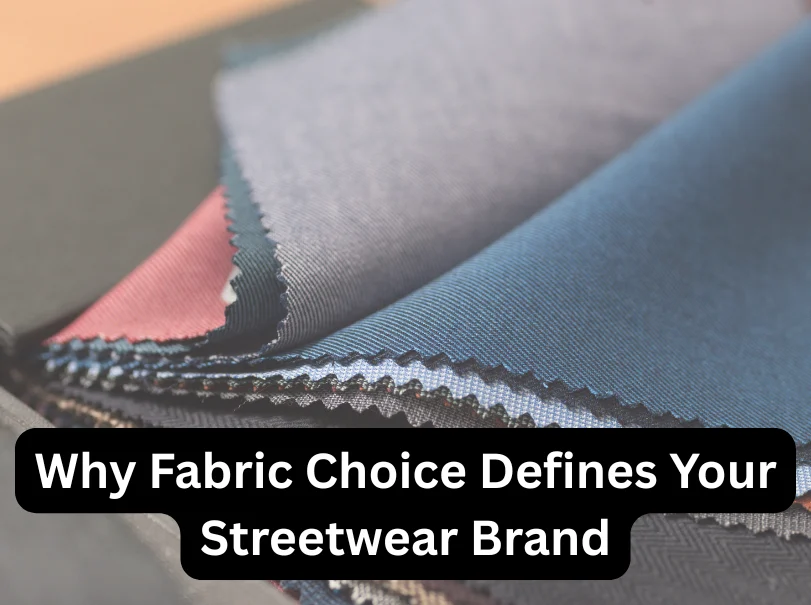
Every fabric tells a story, and in streetwear, that story matters. Urban fashion is not just about color and cut; it’s about the feel, the texture, and the way clothing interacts with daily life. The right fabrics enhance comfort, movement, and longevity, while supporting the unique personality of your brand. Choosing the wrong material can impact your brand in several ways:
- Wearability: Fabrics that are too heavy or stiff can restrict movement, making garments uncomfortable for everyday wear. Conversely, materials that are too soft or thin may lose their shape quickly, leaving pieces looking worn out after only a few washes. Finding the right balance ensures your streetwear feels as good as it looks.
- Aesthetic appeal: Textures such as twill, fleece, or structured jerseys provide visual depth and street-style character. They influence how your designs are perceived on the street, in social media photos, or in lifestyle campaigns. The material you choose is part of your design language, it helps communicate whether your brand is rugged, minimalist, technical, or premium.
- Brand identity: Premium, thoughtfully selected fabrics send a strong message of quality and credibility. When your garments wear well, retain shape, and feel comfortable, customers associate your brand with attention to detail and long-term value. This builds trust and loyalty, essential for emerging streetwear brands competing in the US market.
Investing time and care into fabric selection ensures your designs don’t just look great, they perform and last. Durable fabrics support repeated wear and washing, while textures that feel premium make your collections desirable and distinctive. Smart fabric choices help you create streetwear that isn’t just worn, but loved, a critical factor for building a loyal community around your brand.
Top Fabrics Recommended for Streetwear Collections
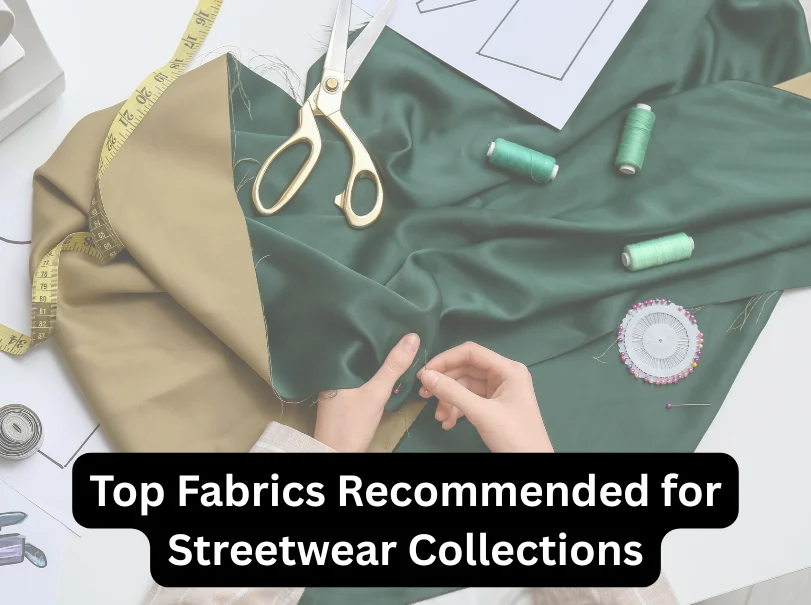
Choosing the right streetwear fabric is essential to crafting pieces that are stylish, durable, and comfortable. Each material brings a unique texture, performance level, and aesthetic, helping define your brand’s identity. Below, we break down the most popular fabrics used in urban fashion, along with practical advice for how and when to use them.
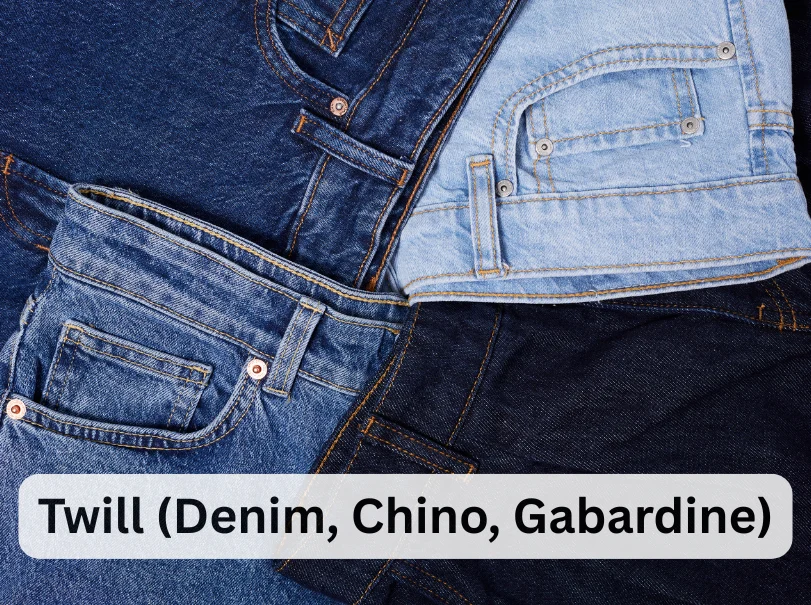
1. Twill (Denim, Chino, Gabardine)
Definition & Overview:
Twill is a woven fabric distinguished by its diagonal rib pattern, which gives it both strength and texture. Its dense weaves ensure longevity and create subtle visual interest, making it a staple for streetwear staples. Common streetwear twill variations include denim, chino, and gabardine, each offering slightly different textures and finishes.
Pros:
- Extremely durable: Perfect for outerwear and workwear-inspired streetwear.
- Maintains structure: Holds shape well, even after repeated wear.
- Versatile styling: Works for casual pants, jackets, overshirts, and utility pieces.
Cons:
- Heavier weight: May feel restrictive in warmer weather unless a lighter variant is chosen.
- Limited stretch: Typically requires elastane blends for added flexibility in slim or active-fit designs.
Best Use Case: Jackets, pants, overshirts, utility pieces, and urban-inspired workwear collections. Twill is ideal when you want a rugged, yet polished street-style look that lasts.
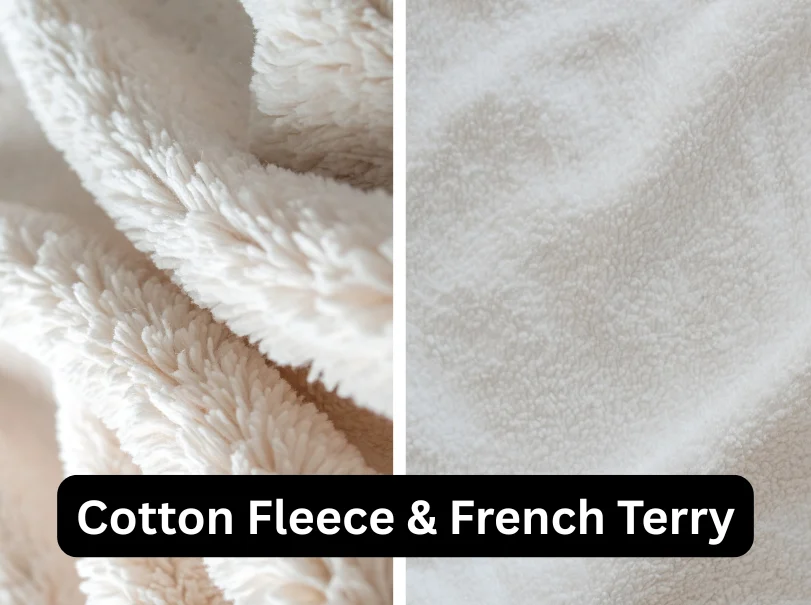
2. Cotton Fleece & French Terry
Definition & Overview:
Cotton fleece and French terry are soft, knit fabrics that balance comfort, warmth, and casual style. Fleece features a brushed interior for extra insulation, while French terry is lighter with smooth loops on the inside, offering breathability without sacrificing softness.
Pros:
- Soft and cozy: Provides a nostalgic, wearable feel that’s perfect for everyday streetwear.
- Customizable: Absorbs dye well, allowing for vibrant colors and custom prints.
- Comfortable fit: Ideal for hoodies, sweats, and lounge-oriented garments.
Cons:
- Pilling over time: Requires quality yarns to reduce wear issues.
- Less technical: Not suitable for garments that require moisture management or performance features.
Best Use Case: Hoodies, sweatpants, casual outerwear, and lounge-style streetwear. These fabrics are great for launching a streetwear brand with approachable, everyday-ready pieces.
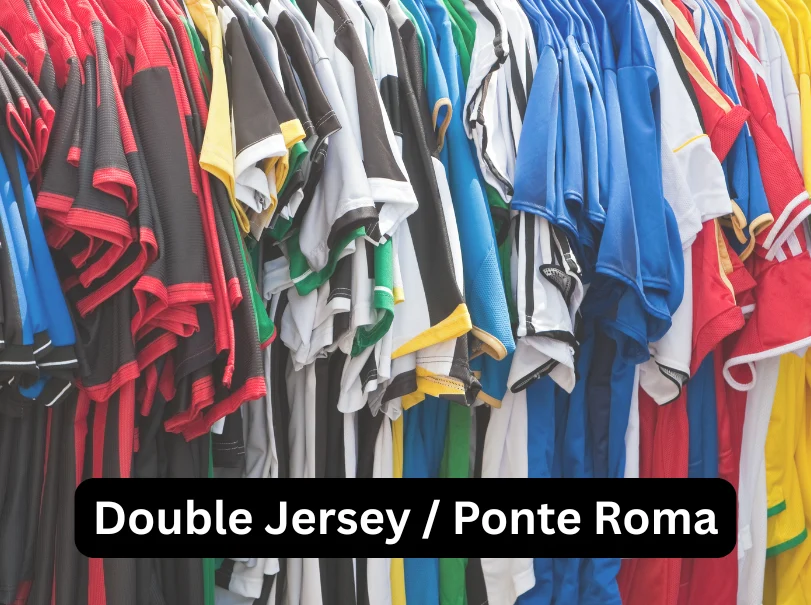
3. Double Jersey / Ponte Roma
Definition & Overview:
Double jersey, also known as Ponte Roma, is a medium weight knit fabric that offers structure while remaining flexible. Its clean drape and firm hand make it perfect for streetwear pieces that require a polished look without compromising comfort.
Pros:
- Smooth, refined surface: Offers a premium feel for elevated streetwear garments.
- Strong shape retention: Maintains its structure through repeated wear and washes.
- Versatile: Can be used in more tailored streetwear pieces like structured tees, skirts, or casual dresses.
Cons:
- Mid-weight: May feel slightly heavy for ultra-light summer garments.
- Limited stretch: Less ideal for garments requiring full range-of-motion or performance wear.
Best Use Case: Structured tees, casual dresses, elevated hoodies, or streetwear tops that lean toward premium aesthetics. Ponte Roma helps streetwear brands mix comfort with a sharper, more sophisticated silhouette.
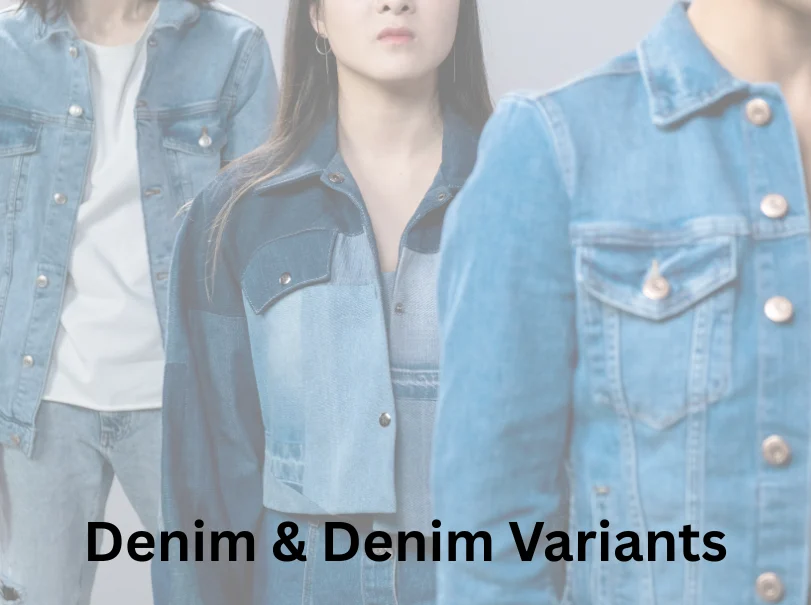
4. Denim & Denim Variants
Definition & Overview:
Denim is a warp-faced twill fabric that has become synonymous with streetwear. Its signature indigo tones, washes, and distressed finishes make it instantly recognizable, while its durability ensures garments last for years. Variants like stretch denim or selvedge denim add further customization options for modern streetwear collections.
Pros:
- Iconic texture: Instantly communicates streetwear credibility.
- Extremely durable: Ideal for everyday wear and long-lasting fashion pieces.
- Highly customizable: Easily dyed, distressed, embroidered, or washed to create signature looks.
Cons:
- Heavyweight: Can be uncomfortable in hot climates or for layering lightweight outfits.
- Care-sensitive: Requires attention to washing and maintenance to retain color and structure.
Best Use Case: Jeans, jackets, shorts, overshirts, and workwear-inspired pieces. Denim is the backbone of many streetwear collections, offering flexibility from casual staples to statement outerwear.
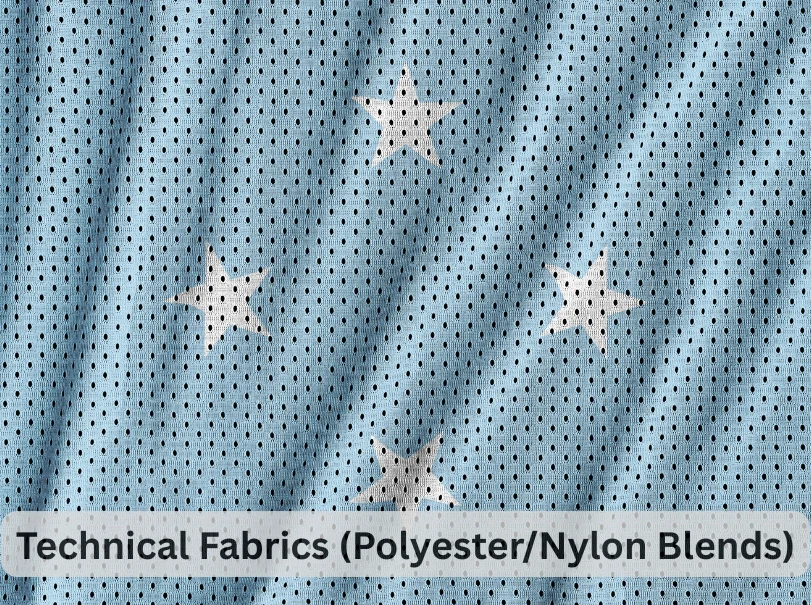
5. Technical Fabrics (Polyester/Nylon Blends)
Definition & Overview:
Technical fabrics like polyester, nylon, or blended textiles combine style and performance. Often engineered for moisture-wicking, water resistance, or durability, these fabrics are perfect for sporty, athleisure-inspired streetwear.
Pros:
- Lightweight and durable: Perfect for garments that need to withstand active use.
- Moisture-managing & easy-care: Ideal for urban wear in unpredictable weather.
- Modern aesthetic: Offers a sleek, sporty vibe that resonates with contemporary streetwear.
Cons:
- Synthetic feel: May not offer the same premium hand as natural fabrics.
- Sustainability concerns: Non-organic blends can contribute to microplastics if not responsibly sourced.
Best Use Case: Joggers, outerwear, windbreakers, technical hoodies, and performance-inspired streetwear. Technical fabrics allow brands to experiment with innovation while keeping designs functional and stylish.
Fabric Comparison Table
| Fabric Type | Key Benefits | Typical Uses | Considerations |
|---|---|---|---|
| Denim / Twill | Durable, structure-rich | Jackets, pants, overshirts | Heavier, less breathable |
| Cotton Fleece | Soft, warm, nostalgic appeal | Hoodies, sweats | Can pill, less technical |
| French Terry | Breathable weight, smooth inside | Lightweight sweats, hoodies | Not as insulating |
| Double Jersey | Flexible shape, good stretch | Structured tees, dresses | Mid-weight, less breathable |
| Technical Blends | Moisture-managing, wrinkle-resistant | Sporty tops, outerwear | Synthetic feel, potential microplastics |
Trend & Functionality Notes
Streetwear trends are constantly evolving, but fabric functionality remains key. Emerging textile innovations include:
- Grid Fleece: Lightweight but durable fleece with structured surface texture
- Polished Technical Weaves: Sleek synthetic fabrics that combine stretch, moisture-wicking, and modern aesthetics
When selecting fabrics, consider:
- Durability: Daily wear and repeated washing
- Comfort: Breathable fabrics for layered outfits
- Care: How easy fabrics are to wash and maintain
Cord Apparel, a private label manufacturer, supports brands through sample testing, ensuring each fabric performs in real-world urban wear scenarios.
How Cord Apparel Helps Brands Choose & Source These Fabrics
Selecting the right fabric for streetwear brands can be overwhelming.
Cord Apparel simplifies the process:
- Fabric Sourcing Advisory: Expert guidance on selecting materials suited to your designs
- Swatch Libraries & Sampling: Test multiple fabrics before committing to bulk production
- Low MOQs & Cut-and-Sew Capability: Perfect for emerging brands starting small
- Custom Projects: From denim jackets and fleece hoodies to technical joggers
By combining expertise with hands-on support, Cord Apparel ensures your streetwear collections are both stylish and functional.
Practical Tips for Fabric Selection on a Budget
Even small brands can make smart fabric choices without breaking the bank:
- Start Small: Focus on 1–2 base fabrics to define your initial collection.
- Prioritize Fabric Weight (GSM): Choose heavier fabrics for winter pieces, lighter ones for summer.
- Evaluate Wash Behavior: Pre-test fabrics for shrinkage, color retention, and durability before full production.
- Sustainability & Care: Consider eco-friendly options and easy-care fabrics to appeal to conscious consumers.
These steps help maximize quality while keeping costs manageable, ensuring a strong launch for your streetwear brand.
FAQs – Streetwear Fabric Guide
- What is the best streetwear fabric for hoodies and sweatpants?
Cotton fleece and French terry are the most popular choices for hoodies and sweatpants. They are soft, comfortable, and easy to customize with colors or prints. For a more technical option, polyester blends can add moisture-wicking or lightweight durability. - How do I choose the right fabric for my streetwear brand?
Consider your brand’s style, garment type, and customer needs. Look at texture, weight (GSM), durability, and stretch. Testing swatches for wash behavior and comfort before full production ensures your pieces meet quality expectations. - Can I use technical fabrics for everyday streetwear?
Yes. Technical fabrics like polyester and nylon blends are great for sporty or modern streetwear pieces. They are lightweight, moisture-managing, and durable, making them suitable for outerwear, joggers, and performance-inspired styles. - How do twill and denim differ in streetwear applications?
Twill is a general woven fabric with diagonal patterns, including chino and gabardine, often used for pants, jackets, and overshirts. Denim is a type of twill with a warp-faced weave, known for its iconic look and durability, ideal for jeans, jackets, and statement pieces. - How can Cord Apparel help me source the right streetwear fabric?
Cord Apparel provides expert fabric sourcing advice, swatch libraries, and low MOQ sampling. They support brands in testing and selecting materials for hoodies, denim jackets, technical joggers, and more, ensuring your streetwear collections are high-quality and production ready.
Final Thoughts
Choosing the right streetwear fabric is a crucial step in building authentic, durable, and memorable collections. Fabrics define not only the look and feel of your garments but also the story your brand tells.
Cord Apparel partners with emerging and established streetwear brands, offering expert guidance, sampling, and production solutions to ensure every piece meets your creative vision.
Elevate your streetwear line today!
Contact Cord Apparel to explore swatches, custom samples, and full production options.

Leave a Reply