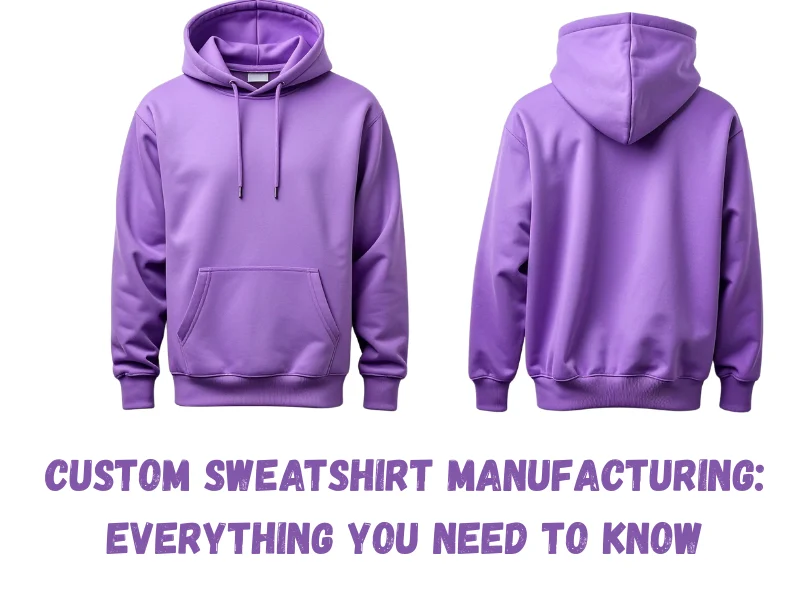
Sweatshirts are not lazy Sunday wear anymore. They run streetwear. They run capsule drops. They run half the DTC product lines launching out of LA and Brooklyn right now. Which is why founders keep landing on sweatshirt manufacturer as their first real move. The process Custom Sweatshirt Manufacturing looks the same whether you are sourcing in Houston or working with US-based hoodie manufacturers for the first time. Here is the whole thing, start to finish, no fluff.
How Custom Sweatshirt Manufacturing Actually Works
Custom means you set the rules. Fit, fabric, weight, colour, trims, finishing. You decide all of it.
Wholesale sweatshirt manufacturer get you somebody else’s pattern with your logo slapped on top. Custom Sweatshirt Manufacturing gets you a product nobody else has. That is the whole point of building a brand in 2026, when every other founder is fighting for the same eyeballs on Instagram.
Three things you get back when you go custom. A silhouette people recognise. Pricing room for real margin, not the scraps wholesale leaves you with. A garment that does not look like every other Shopify drop in the feed.
Defining Your Sweatshirt Before You Spend a Dollar
Get your specs clean before anything touches a factory floor. Skipping this part is how budgets die quietly.
- A streetwear kid in NYC and a coastal lounge buyer in Florida want different fits, weights, and colourways.
- Crewneck. Hoodie. Oversized. Cropped. Fleece. Half-zip. Pick the silhouette your brand owns.
- Where the logo sits. What the label looks like. Hangtag style. Inner neck print or no.
- Quantity and budget. Be honest with yourself here. It changes every decision downstream.
A short spec doc with sketches or a basic tech pack saves weeks of back and forth later. It also tells the factory you are serious, not just shopping around for quotes.
Fabric Choices That Actually Matter
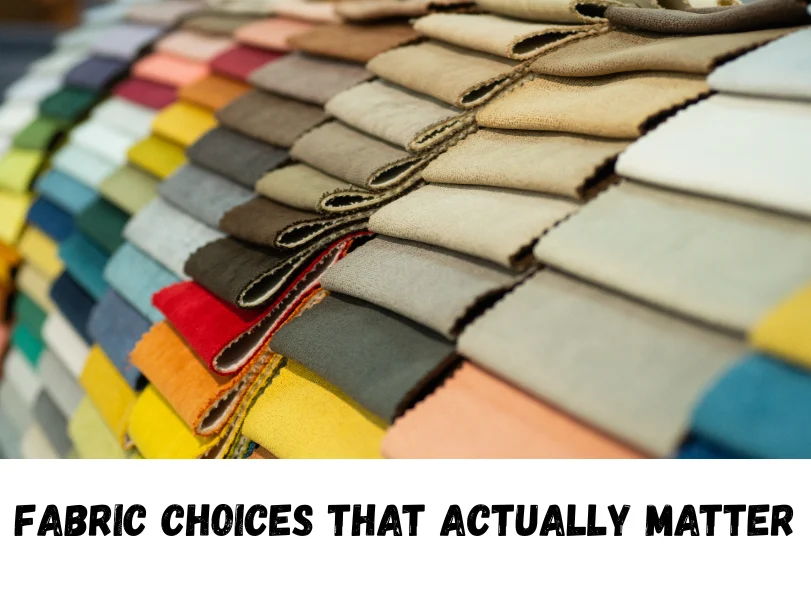
Fabric is where most brands win or lose. Here is the working cheat sheet.
| Fabric | Feel | Weight | Best For | Price |
|---|---|---|---|---|
| 100% Cotton | Soft, breathable | 280–320 GSM | Premium basics | Mid-High |
| Cotton-Poly Blend | Durable, low shrink | 260–300 GSM | Everyday drops | Low-Mid |
| Fleece | Warm, brushed inside | 320–400 GSM | Winter pieces | Mid |
| French Terry | Light, structured | 240–280 GSM | Spring layering | Mid |
GSM tells you how heavy the fabric is. Anything below 240 feels cheap on hand. Above 400 starts feeling like a blanket. Most premium sweatshirts in the US market sit at 320 to 380 GSM. That is the sweet spot.
Customisation That Builds a Brand
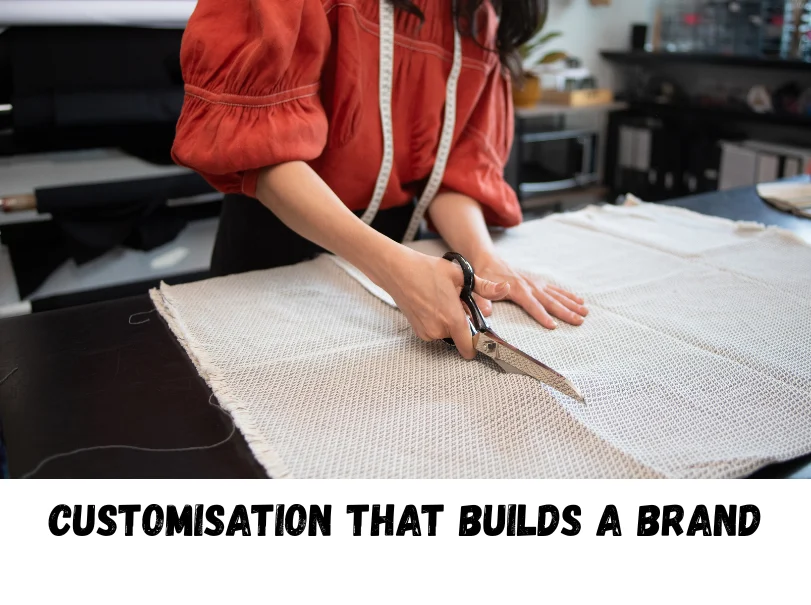
This is where your sweatshirt stops looking generic. The big four are screen printing, embroidery, puff prints, and sublimation. Then come the smaller details. Woven labels. Custom drawcords. Branded tipping. Printed inner necks. Custom zippers if you are running a half-zip.
Streetwear brands lean heavy on puff and embroidery combos. Minimalist labels stick to tonal embroidery and small chest hits. Pick two or three signature touches and repeat them across collections. That is how you build visual recognition over time, not by changing your look every drop.
Sampling: The Step Founders Keep Skipping
Sampling is not optional. It is your reality check before bulk burns your money.
Most factories run two rounds. A fit sample first to lock the pattern. Then a pre-production sample with final fabric and trims. You catch wrong stitch density, off colours, weird proportions, awkward neck rib, all of it. Fix the mistake at sample stage and it costs you almost nothing. Fix it at bulk stage and you are looking at ten times the bill, plus weeks of delay.
How the Custom Sweatshirt Manufacturing Process Actually Runs
Once your sample is approved, production follows a predictable rhythm:
- Fabric sourcing and dyeing to your colour standards.
- Pattern grading across all your size runs.
- Cutting in stacked layers for efficiency
- Stitching with overlock and flatlock seams.
- Printing, embroidery, applique work
- Final quality check, trim, press, pack
The construction side is its own world. The breakdown in this cut and sew explainer covers what happens on the floor, from marker making to final seam.
MOQs and Why They Trip Up New Founders
Minimum order quantity is the volume a factory needs to start your run. Sweatshirt MOQs usually sit at 300 to 500 units per style for established factories. Some shops go as low as 50 to 100 for startups, but the per-unit price climbs noticeably.
The trade-off is real, and the math matters before you sign anything. The walkthrough on MOQ in apparel covers how to negotiate it without torching the relationship with your factory.
Quality Control Worth Paying For
Quality gets checked at multiple stages, not just at the end when it is too late to fix anything.
- Raw fabric inspection for shade, weight, and shrinkage
- Inline stitching checks during assembly
- Print and embroidery accuracy review.
- Final AQL inspection before packing and shipping.
If a factory cannot tell you their AQL standard, walk. That is your answer right there.
Timelines You Can Actually Plan Around
Realistic schedule for a US brand running a normal drop:
- Sampling: 15-20 Business Days
- Bulk production: 20-25 Business Days
- Sea shipping from overseas: 4 to 6 weeks
- Domestic US production shipping: 5 to 10 days
Anyone promising a custom run in two weeks flat is cutting a step. Ask which one before you sign. Usually, it is QC or fabric inspection, and that is exactly where you do not want corners cut.
Cost Factors in Plain Numbers
Most US-based custom sweatshirt projects land between $14 and $32 per unit at factory cost. Fabric weight, print complexity, and order size move the number around. Bigger runs drop your per-unit cost. Heavy fleece and multi-location embroidery push it up fast.
Custom packaging, hangtags, polybags usually add $1 to $3 per piece on top. Plan for landed cost, not just garment cost. Founders miss this all the time and end up with broken margins before the first unit even sells.
Choosing a Custom Sweatshirt Manufacturing Partner Worth Keeping
The right factory is rarely the cheapest one on the list. Look at sweatshirt-specific experience. Fabric access. Sampling speed. How they communicate during the quoting phase because that tells you everything about how they will communicate during production.
If responses are slow now, they will be slower later. That part is a guarantee. The framework in this guide on how to choose the right manufacturer lays out a clean checklist before you commit to anyone.
For brands looking at US production specifically, factories in Texas, California, or the Carolinas give you tighter timelines and easier reshoots when something goes wrong on a drop. And something always goes wrong on a drop.
Where Cord Apparel Fits In
Cord Apparel works with private label sweatshirts brands at every stage of growth. Low MOQs starting at 50-100 units make us suitable for startups evaluating their first run. Scalable production handles repeat orders for established labels moving real volume. We cover design, fabric sourcing, sampling, custom labelling, and finishing in one place. Strict QC on every order, every time. No surprises at delivery.
Final Word
A great sweatshirt is not luck. It is clear specs. The right fabric. Careful sampling. A manufacturer who picks up the phone when something goes sideways. Get those four rights and the rest of your brand has room to grow into something real.

Leave a Reply